
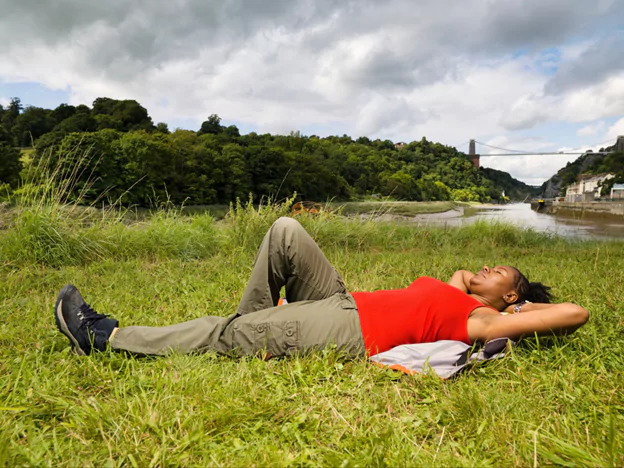
When was the last time you allowed yourself to truly do nothing—and didn’t feel guilty about it?
In our always-on culture, where productivity is praised and rest often seen as indulgent, slowing down can feel like going against the grain. But doing nothing is not laziness. It’s a radical act of self-preservation, especially for those who spend their days caring for others, juggling responsibilities, or working in emotionally demanding fields.
Summer, with its longer days and slower rhythms, offers the perfect opportunity to practice rest—not just as recovery, but as a way to reconnect with yourself.
Rest is more than sleep. It’s the intentional pausing of physical, mental, and emotional output. It might look like sitting quietly on a porch without a screen in sight. Taking a walk with no destination. Letting your mind wander without rushing to fill the space. It’s in these quiet moments that creativity reawakens, stress softens, and clarity returns.
Why is this so important? Because constantly operating in high gear leads to exhaustion, burnout, and a loss of joy in the work we care deeply about. And for those supporting clients, patients, students, or families, your ability to show up depends on having something left in your own emotional tank.
This summer, consider rest as a form of resistance—against hustle culture, against burnout, and against the belief that worth is tied only to output. Make room for doing nothing, without apologizing for it. You might be surprised by what comes up when the noise dies down.
Try giving yourself:
- A daily moment of stillness, even just 10 minutes
- A weekend without plans or errands
- Permission to say no to what drains you
- The gift of unstructured time, for wandering, thinking, or simply being
This season, may we all lean into the joy of doing less—and discover how much more that can give us in return.