
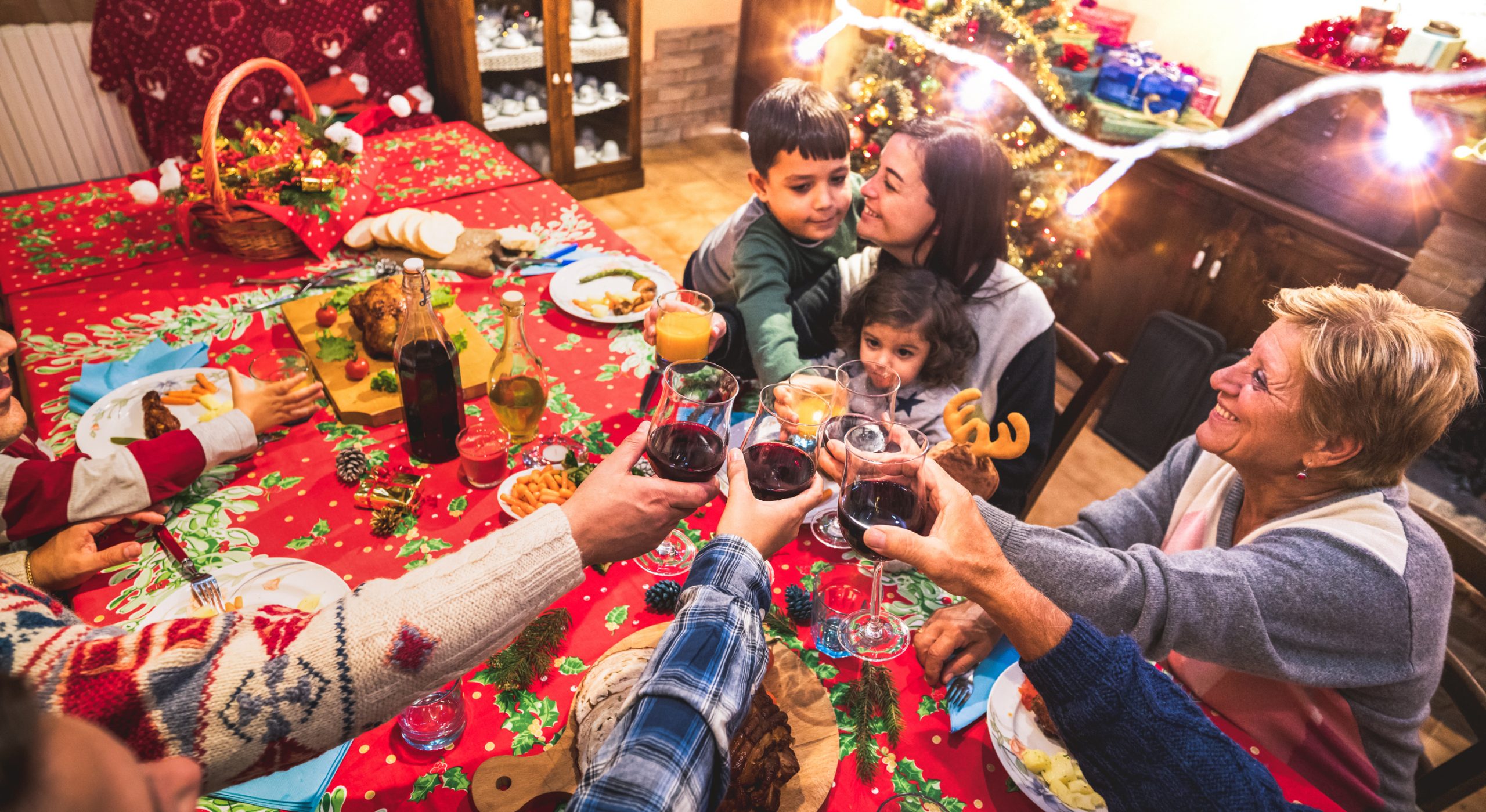
The holiday season often brings the promise of joy, connection, and cherished traditions. For many, it’s a time to reunite with family and loved ones. However, family gatherings can also be a source of stress, especially for individuals dealing with unresolved conflicts, emotional triggers, or differing values within their family systems. Behavioral health professionals play a vital role in helping clients navigate these challenges, equipping them with tools to manage stress and foster positive interactions during the holiday season.
This post explores strategies to support clients as they prepare for family gatherings, emphasizing the importance of boundaries, communication, and self-care in maintaining emotional well-being.
Understanding Family Dynamics During the Holidays
The holidays often intensify emotions, both positive and negative. For clients with complex family relationships, gatherings can stir up past hurts, unresolved conflicts, or feelings of guilt and frustration. Common stressors include:
- Unrealistic Expectations: Media depictions of perfect family holidays can lead to pressure to create a flawless experience, which may not align with a client’s reality.
- Differing Values and Beliefs: Political, cultural, or personal differences can become flashpoints during holiday interactions.
- Old Family Roles and Dynamics: Reuniting with family members may cause individuals to fall back into old roles, potentially reigniting conflicts or negative patterns.
Strategies for Managing Holiday Stress
- Setting Healthy Boundaries
Boundaries are a crucial tool for managing family interactions. Encourage clients to identify their emotional and physical limits before gatherings and to communicate these boundaries clearly with family members.- Time Management: Suggest that clients establish a specific timeframe for their visits. For example, attending for dinner but not staying overnight can help maintain emotional energy.
- Topics of Conversation: Help clients develop strategies to navigate sensitive subjects or redirect conversations that may lead to conflict. For instance, they can use phrases like, “Let’s agree to disagree on this topic and focus on enjoying the meal together.”
- Personal Space: Remind clients that it’s okay to step away for a moment to recharge if a situation feels overwhelming.
- Practicing Open Communication
Effective communication can reduce misunderstandings and foster healthier interactions. Equip clients with tools to express their needs and feelings constructively:- Use “I” Statements: Encourage clients to communicate using statements like, “I feel overwhelmed when ___,” instead of blaming language, which may escalate tension.
- Active Listening: Teach clients to listen without interrupting, validating the feelings of others even if they disagree.
- Clarify Expectations: Suggest that clients discuss plans and expectations with family members ahead of time to avoid surprises or disappointments.
- Focusing on Self-Care
Clients often prioritize the needs of others during the holidays, leaving little time for self-care. Remind them that their well-being is equally important and that self-care can enhance their ability to engage positively with family.- Pre-Gathering Preparation: Encourage clients to engage in activities that relax and energize them before the event, such as meditation, journaling, or exercise.
- Mindful Practices During Gatherings: Recommend mindfulness techniques, such as deep breathing or grounding exercises, to manage stress in the moment.
- Post-Gathering Decompression: Suggest setting aside time after the event to process emotions and unwind, whether through a favorite hobby or quiet reflection.
- Managing Emotional Triggers
Holiday gatherings can bring up old memories or unresolved feelings. Help clients identify potential triggers and develop coping strategies:- Awareness: Work with clients to anticipate which situations or topics might evoke strong emotions.
- Preparation: Role-play responses or rehearse calming techniques to use when triggers arise.
- Reframing: Encourage clients to shift their perspective, focusing on the present moment rather than past conflicts.
Helping clients recognize and manage triggers can prevent emotional escalation and promote healthier interactions.
- Emphasizing Gratitude and Positivity
Encourage clients to approach gatherings with a mindset of gratitude and positivity, which can improve overall experiences. Suggest focusing on what they value about their family relationships, no matter how complex they may be.- Gratitude Journals: Have clients jot down things they appreciate about their family or the holiday season in general.
- Highlighting Good Moments: Encourage them to look for and savor positive moments during the gathering, such as laughter or shared memories.
The holidays can be a time of joy and connection, but they can also present challenges for clients navigating complex family dynamics. By setting boundaries, practicing effective communication, focusing on self-care, and managing emotional triggers, clients can approach holiday gatherings with greater confidence and emotional resilience.
For behavioral health professionals, providing clients with these tools and strategies ensures they are well-prepared to face the season’s unique demands while fostering healthier relationships. Ultimately, the goal is to help clients create meaningful holiday experiences that prioritize both joy and well-being.