
With Thanksgiving just around the corner, the holiday season brings opportunities and challenges for behavioral health professionals to foster cultural sensitivity and inclusivity in client relationships. While Thanksgiving symbolizes gratitude and togetherness, it also has complex historical implications, especially for Indigenous communities. For many clients, these holidays can bring a mixture of emotions, from joy to tension, making cultural awareness crucial to our interactions. Here are some tips for practicing cultural sensitivity:
- Encourage Sharing of Traditions: Inviting clients to share their holiday experiences, beliefs, and traditions creates a more inclusive therapeutic environment. Simple, open-ended questions like, “What does this season mean to you?” or “Are there any traditions you look forward to?” can spark meaningful discussions, revealing clients’ unique cultural backgrounds and values. By recognizing these diverse perspectives, we build trust and understanding.
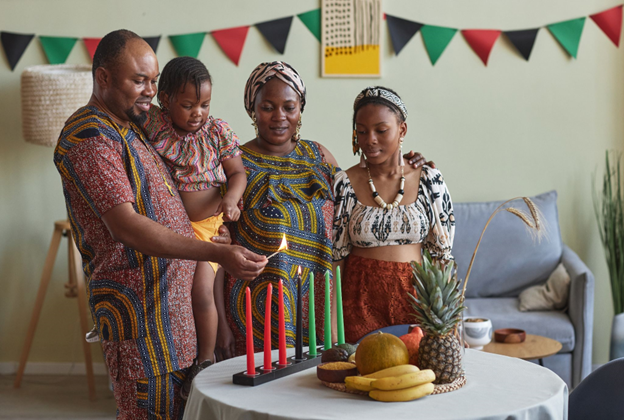
- Acknowledge Cultural Diversity: Thanksgiving may be widely celebrated, but not everyone observes it in the same way or at all. Some clients may have personal or cultural reasons for celebrating differently, while others may observe alternative holidays like Hanukkah, Kwanzaa, or other culturally significant events. Recognizing and respecting these differences—such as by using inclusive language in session or in your office space—shows that we value and respect each client’s cultural identity.
- Avoid Assumptions: It’s easy to assume that clients celebrate traditional holidays in specific ways, but this can unintentionally cause discomfort. Instead, allow clients to lead the conversation, sharing only what they feel comfortable disclosing. For example, rather than assuming a client is looking forward to Thanksgiving, ask open-endedly if they have any plans or if this time of year holds any special significance to them.
- Self-Reflect and Educate: Cultural sensitivity starts with self-awareness. Reflecting on our own cultural influences helps us stay mindful of biases that may unconsciously arise in sessions. Educating ourselves on different cultural practices can deepen our empathy and sensitivity, allowing us to be more attuned to clients’ needs and experiences.
- Show Flexibility: Some clients may need extra support around the holidays due to family dynamics, cultural expectations, or seasonal stressors. Adjusting your approach and being open to discussing these challenges can create a safe space where clients feel understood and supported.