
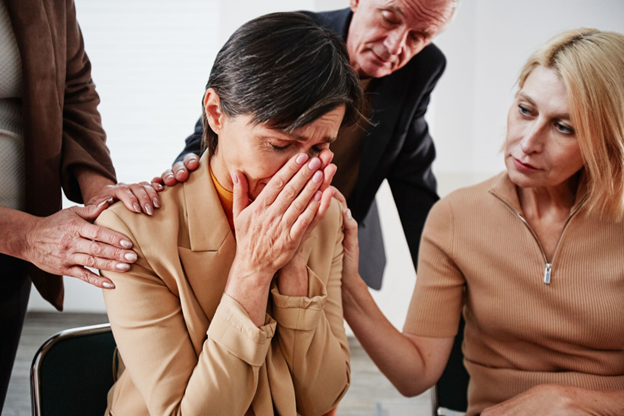
When most people think of Post-Traumatic Stress Disorder (PTSD), they may envision combat veterans or survivors of severe trauma. While these associations are accurate, they only capture part of the story. PTSD is much more prevalent than many realize, affecting people from all walks of life and stemming from a wide range of experiences.
Living with PTSD can feel isolating, but it’s important to remember that you are not alone. In fact, approximately 6% of the U.S. population will experience PTSD at some point in their lives. Raising awareness and understanding the symptoms, causes, and available support can help reduce stigma and encourage those affected to seek help.
What Is PTSD?
PTSD is a mental health condition triggered by experiencing or witnessing a traumatic event. The event could involve danger, violence, severe injury, or a threat to one’s life. However, trauma is personal—what feels overwhelming to one person may not have the same impact on another.
Common Causes of PTSD:
- Combat Exposure: Many veterans face PTSD due to the intense stress and danger experienced during military service.
- Childhood Trauma: Abuse, neglect, or witnessing violence during formative years can have long-lasting effects.
- Violent Assault: Survivors of domestic violence, sexual assault, or mugging may develop PTSD.
- Natural Disasters: Events like hurricanes, earthquakes, or fires can leave lasting emotional scars.
- Serious Accidents: Car crashes or workplace injuries can be traumatic.
- Unexpected Loss: The sudden death of a loved one can profoundly impact mental health.
Recognizing the Symptoms of PTSD
PTSD symptoms can vary widely and often interfere with daily life, relationships, and self-perception. While symptoms can appear shortly after the trauma, they might not surface until months or even years later.
Four Main Symptom Categories:
- Intrusive Memories: recurrent, distressing memories of the traumatic event; flashbacks that feel like reliving the experience; nightmares or vivid dreams related to the trauma; and/or severe emotional or physical reactions to reminders of the event.
- Avoidance: steering clear of places, people, or activities that trigger memories; suppressing thoughts or feelings associated with the trauma; and/or feeling detached or disconnected from reality.
- Negative Changes in Thinking and Mood: feelings of hopelessness or emotional numbness; difficulty maintaining close relationships; distorted feelings of guilt, shame, or blame; and/or decreased interest in activities once enjoyed.
- Changes in Physical and Emotional Reactions: being easily startled or constantly on edge; difficulty sleeping or concentrating; irritability, anger outbursts, or aggressive behavior; and/or engaging in self-destructive or risky behaviors.
Why Is PTSD Often Misunderstood?
One of the biggest challenges for those living with PTSD is the misconception that it only affects certain groups, like veterans. However, PTSD can result from any traumatic experience, whether it occurred recently or decades ago.
Reasons for Misunderstanding:
- Stereotypes: Media portrayals often focus solely on military PTSD, overshadowing other causes.
- Stereotypes: Media portrayals often focus solely on military PTSD, overshadowing other causes.
- Stigma: Admitting to mental health struggles can feel daunting, leading some to hide their symptoms.
- Cultural Norms: Some communities encourage suppressing emotional pain, making it harder to seek help.
The Impact of Untreated PTSD
When left unaddressed, PTSD can significantly impact one’s quality of life. It may lead to:
- Substance Use Disorders: Many turn to alcohol or drugs to numb the pain.
- Relationship Struggles: Emotional detachment and irritability can strain personal connections.
- Physical Health Problems: Chronic stress can contribute to hypertension, digestive issues, or autoimmune disorders.
- Mental Health Complications: Depression, anxiety, or suicidal thoughts may arise.
Seeking Support: Treatment Options for PTSD
The good news is that effective treatments exist, and recovery is possible. Therapy can help individuals process their trauma and learn coping strategies.
Evidence-Based Therapies:
- Cognitive Behavioral Therapy (CBT): Helps identify and change negative thought patterns related to trauma.
- Exposure Therapy: Gradually reduces the fear response by confronting trauma-related situations in a safe environment.
- Eye Movement Desensitization and Reprocessing (EMDR): Uses guided eye movements to process distressing memories.
- Medication: Antidepressants or anti-anxiety medications may help manage symptoms.
Peer Support and Community Resources:
- Support Groups: Connecting with others who share similar experiences can reduce isolation.
- Hotlines: Crisis hotlines offer immediate support when symptoms become overwhelming.
- Teletherapy: Online counseling provides accessible care for those who prefer remote support.
Moving Forward: Building a Supportive Community
Reducing the stigma around PTSD starts with education and empathy. It’s crucial to move beyond stereotypes and understand that PTSD affects individuals from diverse backgrounds and experiences.
If you suspect someone may be struggling, offer support without judgment. A simple “I’m here if you want to talk” can open the door to a meaningful conversation.
By acknowledging the widespread reality of PTSD and promoting accessible care, we can create a community that supports healing rather than perpetuating silence. Recovery is not only possible but achievable with the right resources and understanding.
Remember, you are not defined by your trauma—you are more than your experiences, and help is available.