
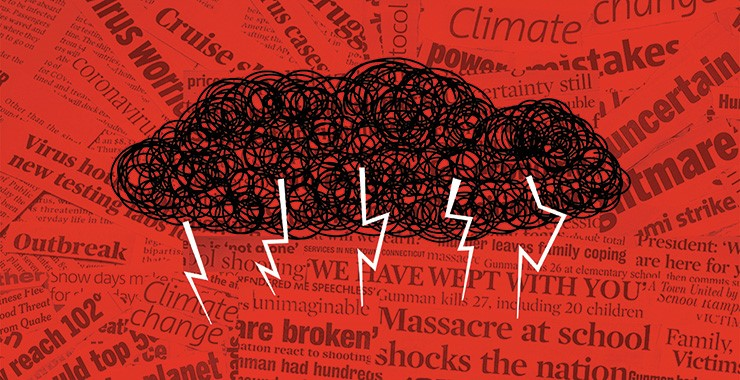
Mental health often takes a back seat in times of conflict. And though it can be detrimental, it makes sense. We are, understandably, focused on those directly impacted by the effects of the current crisis, and this is true whether you have friends and family in the region or are working to stay informed from afar. And as the situation in Israel and Gaza continues to unfold, many people are feeling the adverse effects of being exposed to countless images, stories and sounds of conflict via news outlets and of course, social media.
Protecting our mental health in these times of crisis — while admittedly challenging — remains an important part of our personal well-being, in both the short- and long-term. When we directly witness traumatic events, or know someone experiencing the violence and/or grieving the loss of loved ones, it’s common to feel uncertainty about the future as well as heightened mental stress. It’s easy to stay anxious and depressed for prolonged periods amid the constant access to media, and many find it difficult to manage the wide-range of emotions spurred by the conflict.
Navigating the fine line of staying connected yet protective of your own mental state is difficult to say the least, but there are steps we can take to support ourselves and promote healing.
- Give yourself limits. Stay informed and then give yourself time to digest by disconnecting. Constantly scrolling through all the news outlets and social media channels all day long can mean a barrage of distressing images, many of which will continue to replay in your head long after seeing them. Try limiting yourself to one or two trusted sources and 30 minutes per day. Staying informed is absolutely crucial, but constant immersion can turn information from being helpful to harmful.
- Connect with loved ones. Having honest conversations with loved ones, whether they be children or adults, can be important to help each of you process and better understand what is going on and what you can do about it. Acknowledge and recognize the strong emotions and valid fears you’re feeling. Finding support in one another can be comforting and healthy for all involved.
- Stick to daily routines. The routines you’ve set in place allow for a sense of control, which can be hard to find during times of crisis. Getting enough sleep, eating healthy foods and spending time outside can help maintain a sense of normalcy.
- Use your resiliency skills. Setting realistic expectations of yourself and others during times of crisis is important, and can help us cope in healthy ways. Making adjustments and finding new ways to manage our mental health can help us cope. Try things that reduce stress and evoke calm feelings, like taking a walk, meditating and listening to relaxing music.
- Know you’re not alone. Many of us are feeling anxious, stressed, sad, confused, scared and more. Connecting with others and knowing you’re not alone, and leaning on loved ones for support can help you navigate these trying times.